
Dogs dental health requires proper care, including brushing, size-appropriate treats, and monitoring for common issues to prevent pain, tooth loss, and serious health complications.
Your dog’s dental health is very important to their overall well-being, but dental disease impacts about 80% of dogs by the time they turn three. Skipping proper dental care can cause pain, tooth loss, and even serious health complications.
Common Dental Issues to Look Out For
Teeth that look discolored bad breath, and swollen gums show that your dog might have real dental problems. The American Veterinary Medical Association reports that most pets experience dental issues, and periodontal disease is a significant problem in adult dogs.
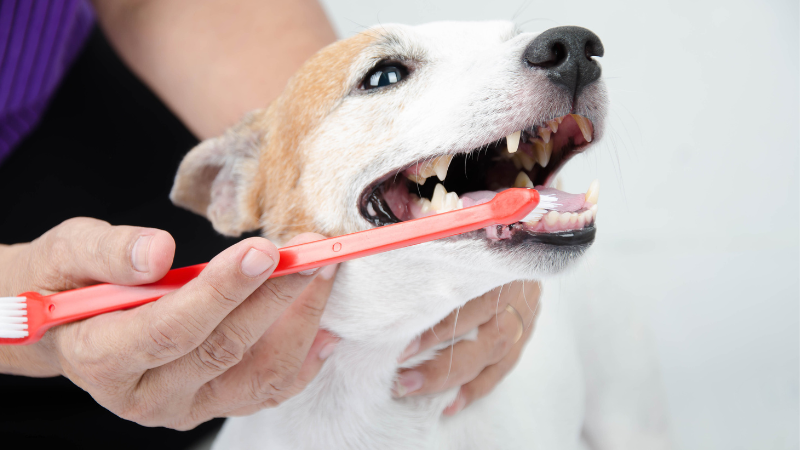
Watch out for things like wobbly teeth, odd drooling, trouble eating, or your dog pawing at its face. These signs may indicate bacteria are accumulating and spreading through the bloodstream, which could harm vital organs such as the heart, liver, or kidneys.
How Dental Treatments Help with Plaque and Tartar
Dental treats help clean your dog’s teeth when they chew. Studies show they can cut plaque by 30%-40%. The rough texture of the treats scrubs teeth while chewing increases saliva, which helps fight harmful bacteria.
You may also read: Catahoula Leopard Dogs: Traits, Care, and Owner Tips
Products with the Veterinary Oral Health Council seal must meet specific standards to demonstrate effectiveness. Brushing teeth every day is still the best option, but dental treats work well for dogs who won’t let you brush their teeth.
Why a Dog’s Size Affects Their Dental Needs
Small dog breeds face higher dental issues because their tiny mouths often cause teeth to crowd together, making plaque build-up faster and leading to tooth loss. Big dogs have 42 teeth and require larger, harder treats to clean them, while smaller dogs need tinier, softer treats that are safe and won’t cause choking.
Flat-faced dogs, like bulldogs, struggle to breathe when they chew. They need treats designed to clean their teeth without requiring them to chew for too long. The treat should be big enough so they can’t swallow it whole but not so big that it’s hard for them to chew.
Picking the best dental treat takes more effort than just matching it to your dog’s size. The way these treats work to clean teeth and support oral health depends on specific features.
You may also read: Miniature Schnauzer: Care, Adoption & Training Guide
How Texture Helps Clean Teeth
The texture of dental chews plays a significant role in their cleaning effectiveness. Treats with textured bumpy surfaces often scrape away plaque better compared to smooth ones. Research shows that treatments containing certain ingredients can help reduce tartar and plaque buildup. Harder treats are great for breaking off tougher plaque, but softer ones might be better for older dogs or those with sensitive teeth. If treats fall apart fast during chewing, their cleaning effects might wear off before they finish their job.
Picking the Right Size and Shape
Select dental treats based on your dog’s weight and jaw strength, not just its breed. If your dog weighs about 20 pounds, go for treats the size of their back molars. This helps them chew rather than gulping it down. Bone-shaped treats with textured ends clean back teeth well. Spiral or braided treats stay in contact with teeth longer, improving cleaning during chewing. To keep it safe, use treats no bigger than 2 inches for dogs under 25 pounds. Bigger dogs, over 50 pounds, should have treats at least 4 inches long to clean.
Active Ingredients That Fight Bacteria
Research reveals that polyphosphate coatings can lower tartar buildup by 55% proving helpful for dogs dealing with ongoing dental issues. Natural ingredients, such as chlorophyll or parsley extract, help kill bacteria that cause bad breath. Special enzymes, such as glucose oxidase, target and break down the sticky layer of biofilm that gathers on teeth. Fibre-loaded foods like sweet potato gently scrub teeth, while calcium carbonate supports stronger enamel. Compounds containing zinc fight bacteria, but in larger amounts, they might upset the stomachs of dogs with delicate digestion.
You may also read: What Do Pregnant Dogs Need to Eat?
Things to Steer Dogs dental health
Stay away from dental treats loaded with sugar or fake colorings. These can lead to harmful bacteria growing in your dog’s mouth. Also, skip treats that dissolve too because they do little for your dog’s dental health and are not worth the money. Avoid giving your dog super hard treats, as they can break teeth and result in expensive vet bills. Be careful with rawhide products if they are not properly processed; they might contain harmful bacteria that could affect your dog’s health.
The Veterinary Oral Health Council sets strict rules for approving dental products. For a product to pass, it must demonstrate a 10% reduction in plaque or a 20% reduction in tartar. Approved items have been proven to help care for your dog’s teeth.
What Treats Are Effective For Dogs dental health
VOHC-Approved Treats Show Reliable Results
Greenies Regular Chewy Dental Dog Treats are among the VOHC-approved options. They have unique textures and shapes designed to reduce plaque and tartar buildup. Virbac C.E.T. Enzymatic Rawhide Chews, with their Z-shaped design, achieve better contact with teeth and work 42% more effectively than typical round chews.
OraVet Dental Hygiene Chews use delmopinol, delivering notable improvements when used, including a 42% reduction in plaque and a 54% reduction in bad breath. These VOHC-approved choices undergo rigorous clinical testing, making them leading options for dental care.
Natural Chews Compared to Artificial Choices
WHIMZEES dental chews use simple ingredients such as potato starch and glycerin. These work well for dogs that require a sensitive diet. On the other hand, products like Greenies use synthetic abrasives and enzymes that have proven more effective than natural alternatives.
Natural rawhide chews can help clean teeth by promoting chewing. However, they may carry risks such as contamination or digestive issues, which synthetic alternatives can prevent. Purina DentaLife Daily Oral Care treats have special synthetic fibers that keep their texture the same throughout chewing. Natural options often soften and lose effectiveness over time. To maximise dental health benefits, VOHC-approved synthetic treats outperform natural chews, though natural chews remain an excellent choice for dogs with specific ingredient needs.
Size-Specific Product Recommendations
To choose dental treats for dogs under 25 pounds, owners should consider Greenies Petite or Virbac VeggieDent Extra Small. These options fit small dogs well, reduce choking risks, and allow enough time to clean their teeth . Medium-sized dogs—those weighing 25 to 50 pounds—can benefit from Greenies Regular or Blue Buffalo Wilderness Wild Bones. These treats strike a good balance between firmness and keeping the dog chewing for longer.
For dogs over 50 pounds larger choices such as Greenies Large or Pedigree Dentastix Large work better. These options are firm enough to match their powerful jaws. Giant breeds need extra-large dental chews to make sure they do not swallow them too . This helps their teeth get proper cleaning contact, as these massive dogs could otherwise gulp smaller chews without any dental benefits.
The best dental treats for dogs should be VOHC-certified, sized appropriately for your dog’s weight, and feature textures that help clean their teeth. Treats with polyphosphate coatings or enzymes tend to work better at reducing plaque than simpler options. Start giving new treats, using half the portion for about three days, and monitor for any stomach problems or allergies.
When you first give your dog a treat, monitor them to ensure the size and hardness are safe for them to chew. Do not try several new dental products at once, as this makes it harder to spot adverse reactions. Using high-quality dental treats can reduce plaque by up to 40% and may help you avoid costly dental care later.
By age three, 80% of dogs experience dental problems, but proper care helps prevent pain and more serious health issues. These treats, along with routine brushing and dental cleanings from a vet, help keep your dog’s mouth healthy for life.
Source:
The Dogington Post (Dec. 15, 2025). How to Choose Dental Care Dog Treats for Your Pet. https://www.dogingtonpost.com/how-to-choose-dental-care-dog-treats-for-your-pet/
#best_dental_treats_for_small_dogs_with_sensitive_teeth, #how_to_prevent_dental_disease_in_dogs_by_age_three, #effective_dental_chews_to_reduce_plaque_and_tartar_in_dogs, #dental_care_tips_for_flat-faced_dog_breeds, #VOHC-approved_dog_dental_treats_for_large-breeds, #natural_vs_synthetic_dental_chews_for_dogs, #signs_of_dental_problems_in_dogs_and_treatment_options, #dental_health_products_for_dogs_with_bad_breath, #choosing_the_right_size_dental_chew_for_your_dog
