
Child’s safety through adaptive equipment, home modifications, communication strategies, and proper supervision helps protect children with disabilities while supporting their development and independence.
Safety Plan Considerations
Child’s safety and health can be protected and supported when parents or caregivers of children with disabilities properly use adaptive safety equipment and home safety devices.
Challenges with Movement and Handling
Kids may face risky situations in places they are not used to. Those with limited mobility, sight, hearing, or ability to make decisions, as well as children who cannot feel or understand pain, might not notice dangers or find it hard to get themselves out of harm’s way. Children with cerebral palsy, muscle tone issues, or balance difficulties may require specialized positioning devices and medical safety equipment.
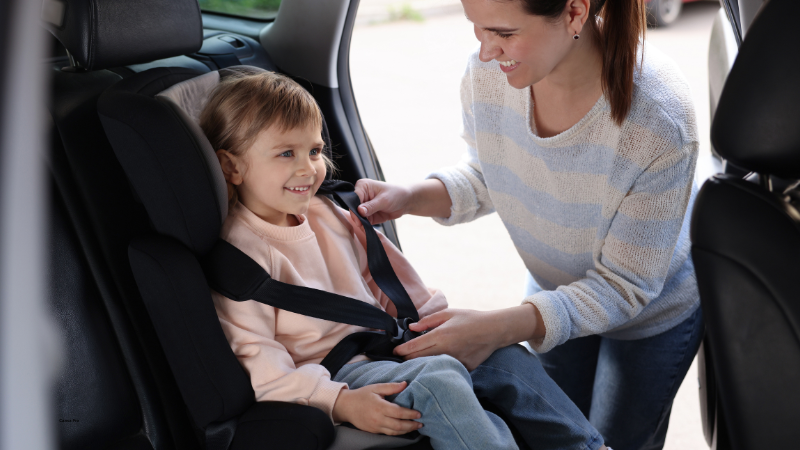
Child Safety devices are often made to fit age and size rather than focusing on what a person can do. Car crashes are one of the top causes of death for kids, so it is important to keep your child safe when traveling by car. Picking the right car seat involves thinking about more than just age, height, and weight. You should check if your child struggles to sit up straight or stay still in the seat, which may require a five-point harness, lateral support, head support, or trunk support. For children with disabilities, including those with spica casts or seizure conditions, you should talk to your doctor and occupational therapy specialists to figure out what type of booster seats, car beds, or transportation harness works best and how to position it in your car. Proper vehicle positioning and seat belt positioning are critical, and buckle guards or buckle security features may be needed. Consider medical necessity documentation for insurance coverage and potential tax deductions on adaptive equipment.
You may also read: Teen Independence: Guiding Your Child Through Growth
Here are some other examples of home safety devices and medical equipment made for specific needs:
- Life jackets and safety vest options might need to be adjusted or custom-made to fit your child better.
- Visual signals, emergency lighting, and vibration-based smoke detectors might work better in homes with children who are hard of hearing.
- Adding handrails, bed rails, and safety supports around the house can help kids who have trouble moving or are more likely to fall.
- Cabinet locks, door locks, and window guards provide essential protection for children with cognitive impairment or autism spectrum disorder who may wander.
- Anti-scald devices and bathroom safety equipment protect children with sensory processing challenges who may not recognize temperature dangers.
- Gait trainers, standing frames, and transfer boards support mobility development and safe movement.
- Protective helmets and compression garments offer safety for children with seizure conditions or balance difficulties.
- Smart home monitoring and gps tracking devices provide additional security layers for children who wander.
Reach out to your care team for a professional assessment to learn what adaptive equipment and portable safety equipment fits your child’s needs. Make sure to get and set up the tools so you’re prepared before they become essential. Check maintenance requirements regularly and explore lending libraries if purchasing equipment is challenging. Verify insurance coverage and medical necessity requirements with your provider.
You may also read: Three-year-old defiance: Understanding and managing behavior challenges
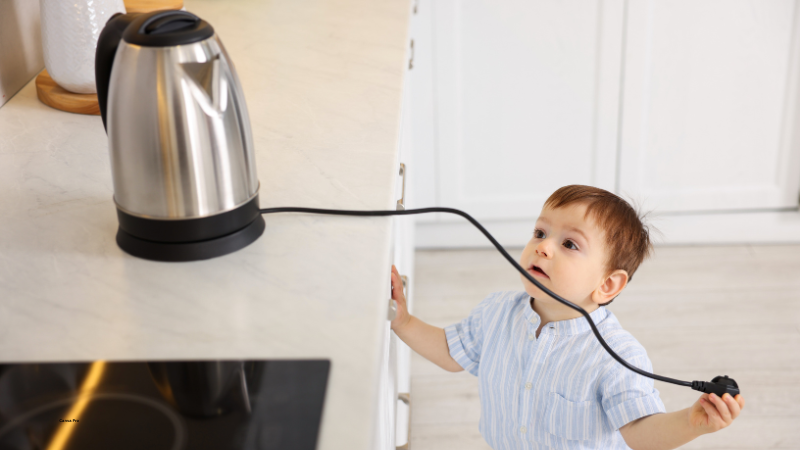
Challenges with speaking or comprehension of Child’s safety
Kids who struggle to communicate may find it harder to learn about safety and risks. For example, kids who are deaf or hard of hearing might miss spoken warnings or directions. Those with autism spectrum disorder, cognitive impairment, or sensory overload issues may not pick up safety lessons as quickly as other children. Kids who find it hard to express themselves could also feel shy or unable to ask safety-related questions. Adults might wrongly think kids with disabilities see dangers even when they don’t.
You can try different ways to teach your child, such as:
- Showing them the right ways to act
- Using pretend-play activities to practice situations
- Repeating lessons often to help them learn over time
- Using communication devices or voice output communication aids to reinforce safety concepts
You might need to find other ways to help kids signal when they feel unsafe. You could teach them how to use a whistle, a small bell, or an alarm to alert others when danger arises. Medical alert bracelets can provide critical information to first responders. Communication devices with pre-programmed safety messages can help non-verbal children express emergencies. For children with sensory processing challenges, noise-canceling headphones and fidget tools may help them stay calm during stressful situations. Weighted blankets can provide comfort and security during emergency drills or actual emergencies. Let the adults watching over your child know how they should communicate with them during emergencies.
You may also read: Special Playtime: Boost Your Child’s Growth and Bonding Daily
It helps to contact your local fire department, too. Explain any specific needs or challenges your child may have, including wheelchair accessibility requirements and any specialized medical equipment they use. This way, they won’t have to rely on the child or others to explain what’s needed if an emergency happens.
Issues with making decisions on Child safety
Some kids struggle to make choices because of developmental delays, cognitive impairment, trouble thinking things through, or problems with impulse control. This can lead to them doing things they want but shouldn’t.
For example, kids who are diagnosed with attention-deficit/hyperactivity disorder (ADHD), autism spectrum disorder, or fetal alcohol spectrum disorders (FASDs) often act on impulse and might not think about the outcomes of what they do. Adults keep dangerous items high up so little kids can’t get to them. However older children might be able to grab things they aren’t ready to handle yet. Check your child’s environment especially in places they aren’t familiar with. Cabinet locks, door locks, and window guards remain important even for older children with cognitive impairment.
Some kids also find it hard to tell if a person or situation is safe or risky. They may not know how to react the right way. Parents and caregivers can help by explaining how to act in certain situations that might be unsafe. Medical alert bracelets and gps tracking devices can provide additional protection for children who may wander or become disoriented.
You may also read: Type 2 diabetes in Kids: prevention and risk factors
Kids with disabilities often need extra protection, but just like any other kids, they also need chances to move around and explore. Moving and exploring help them grow strong both physically and emotionally. By exploring, chield’s safety learn what is safe and what could be risky or dangerous. Staying active and healthy plays a big role in keeping kids safe while also helping them stay healthy in the long run.
Children with disabilities might face challenges when trying to join sports or other active games. Sometimes, they need adaptive equipment, positioning devices, or medical equipment that has to be adjusted for them. Coaches might need additional training or guidance from occupational therapy professionals to support a child with a disability. Some kids may find it harder to work well in team settings due to communication struggles, which communication devices can help address.
Talk to your child’s teachers, possible coaches, caregivers, care team members, or doctors about ways to find the right balance between keeping your child safe and allowing them to stay active. A professional assessment can help determine which adaptive and portable safety equipment your child needs for various activities.
Every child’s safety is different. This is not a complete list of every question or idea you might have; it just gives a few examples. You may have different questions or concerns about home safety devices, medical safety equipment, insurance coverage, or maintenance requirements. Check with your doctor, occupational therapist, teacher, or caregiver to learn more about your child’s safety.
Source:
U.S. Center for Dieses control and Prevention (Jan. 28, 2026). Safety Plan Considerations. https://www.cdc.gov/child-development/disability-safety/safety-plan.html
#adaptive_safety_equipment_for_children_with_disabilities, #home_safety_devices_for_disabled_children, #car_seats_for_children_with_cerebral_palsy, #protective_helmets_for_children_with_seizures, #gait_trainers_for_children_with_mobility_issues, #safety_equipment_for_children_with_autism_spectrum_disorder, #car_seat_positioning_for_children_with_spica_casts, #safety_devices_for_children_with_cognitive_impairment, #teaching_safety_to_non-verbal_children_with_disabilities, #communication_devices_for_emergency_situations_children, #preventing_wandering_in_children_with_autism, #occupational_therapy_for_adaptive_equipment_assessment, #insurance_coverage_for_adaptive_safety_equipment, #balancing_safety_and_independence_for_disabled_children
