
Howie Mandel explains why the phrase “you look great for your age” feels more like an insult, highlighting the impact of ageist comments on self-worth and aging perceptions.
Howie Mandel points out that while some comments are meant as compliments, phrases like “you look great for your age” often come across as insults instead. Comedian Howie Mandel shared how much he dislikes hearing this specific phrase. He talked about it during an episode of the daytime show “Live with Kelly and Mark.” Howie Mandel, who is also a longtime judge on “America’s Got Talent,” turned 70 in November.
“That doesn’t add up at all,” co-host Kelly Ripa said shocked by Mandel’s age. He responded sounding a bit puzzled, “What do you mean it doesn’t add up?”
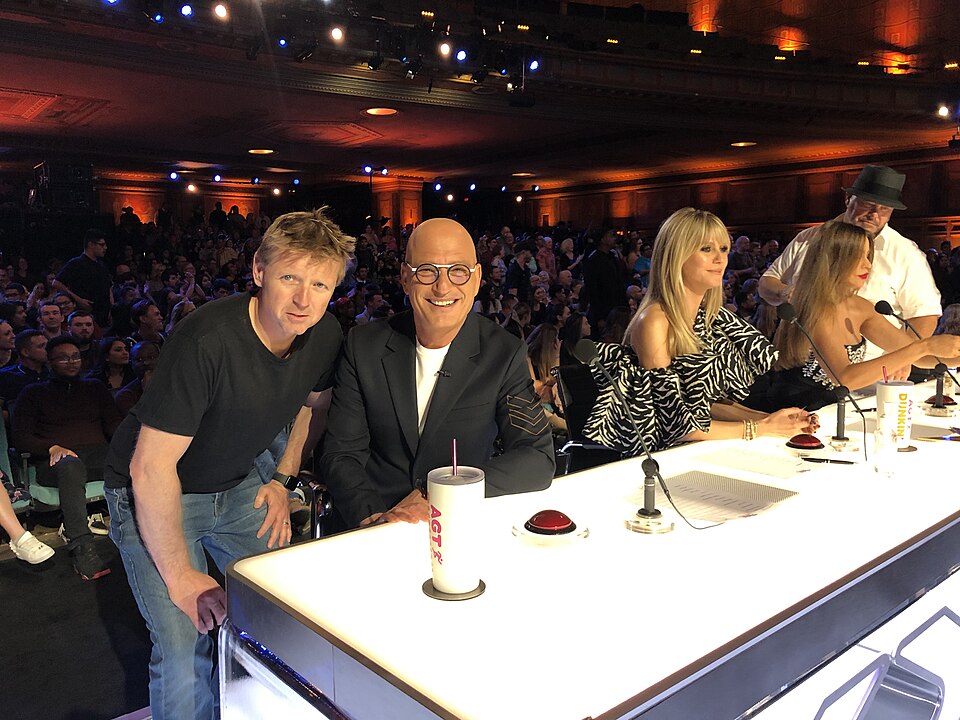
Comedian Howie Mandel and technology executive Trevor Doerksen pose on set of America’s Talent days before COVID-19 shut down TV production across Los Angeles, California, 5 March 2020
Photo credit: Akumalbay12, CC BY-SA 4.0 <https://creativecommons.org/licenses/by-sa/4.0>, via Wikimedia Commons
Trying to help out co-host Mark Consuelos stepped in to explain that Ripa was complimenting Howie Mandel on how young he looked. He told Mandel, “You look amazing.” But Mandel didn’t seem too happy with the comment.
“Looking great? That doesn’t mean much to me,” Mandel admitted. “I don’t like hearing that. It feels like there’s a catch. People say, ‘You’re 70? Oh, you look amazing [for your age].'”
You may also read: Jamaica Show: Jenna & Sheinelle Support Savannah Amid Crisis
He made a sharp comparison saying, “It’s like telling someone, ‘You’re smart for a dumb person.’ Or, ‘Oh, you look smart; you seem smart.'” These age-related insults function similarly to other dismissive language that undermines genuine compliments.
Chloe Bean, a licensed marriage and family therapist who focuses on trauma, explains that ageist comments like these can stir up feelings of shame. She believes it’s because they “send negative messaging that aging is something to feel bad about or avoid.”
Even when someone means it as a compliment, saying “you look good for your age” might feel insulting. Bean shared that it “creates pressure to not look like the age you are.” This pushes harmful stereotypes that how you look defines your worth and contributes to internalized ageism.
Mandel isn’t the only person who reacts this way to such ageist remarks.
In a 2023 interview with British Vogue, Jennifer Aniston shared her dislike for the phrase “you look great for your age,” saying she “can’t stand” hearing it.
She remarked, “That’s a habit of society where we have these markers like, ‘Oh, you’re at that stage, so for your age…’ I don’t even know what that means.” Her comments highlight how social norms around aging perpetuate age bias.
Dr. Elizabeth Wassenaar, who is a regional medical director at the Eating Recovery Center, said that comments about someone’s looks—whether tied to age or weight—support the harmful idea that appearance is the most important thing about a person.
You may also read: Emily Osment Misses ‘Hannah Montana’ Special Due to Filming
She said, “Remarks about whether your body is okay or not send the same message: your worth is tied to how your body looks, and you need to look a certain way to be accepted by society. It just keeps pushing this shallow, looks-obsessed mindset. We all know how damaging and hurtful that can be for everyone, because we are so much more than just the bodies we live in.”
Comments about someone’s looks and age often hint at age bias. Saying things like “you look great for your age” implies that older people at that age don’t look as good, as if aging is a rare exception instead of something normal. This sneaky aspect of the compliment can make it hurt even when the person meant well.
These remarks also feed into ageism in society. Ageism is the stereotyping and discrimination against individuals based on their age. They make it seem like aging or showing age-related changes is bad or unattractive. This pushes older adults to feel like they need to resist the aging process, building pressure that could harm their confidence, stir up worries, and foster an unhealthy view of their body and looks. Such ageist attitudes can even lead to social isolation and impact cognitive abilities through self-directed ageism.
Bean suggests using inclusive language to complement with options like:
- “It’s so wonderful to see you.”
- “Your energy is amazing.”
- “I always enjoy our talks.”
She pointed out that these compliments avoid focusing on looks and emphasize deeper connections. Shifting attention from appearance to meaningful traits like wisdom, personality, or the happiness someone brings can make compliments more uplifting. Instead of focusing on how someone looks “young for their age,” these age-inclusive language examples appreciate a person as a whole and support healthy aging.
You may also read: Carly Pearce Opens Up About Faith, Divorce and ‘Church Girl’
People are talking more about age-related jokes and age discrimination these days showing a shift in how we see growing older. There’s now more focus on accepting aging as a normal and natural part of life instead of viewing it as something bad or embarrassing. When celebrities and other well-known people share their thoughts about being on the receiving end of these half-hearted compliments, it sparks meaningful conversations about ageism. These talks help us think about better ways to show genuine support and social support for others while building intergenerational connections.
The main aim is to create a world where everyone, no matter their age, feels appreciated for their true selves and not just their looks. It’s about seeing aging well and positive aging as a gift to embrace instead of something shameful or something people need to hide. By challenging negative stereotypes and ageist stereotypes, we can promote successful aging for all.
Source:
Sara Moniuszko (March 27, 2026). Howie Mandel, Jennifer Aniston and the aging insult no one wants to hear. USA Today. https://www.usatoday.com/story/life/health-wellness/2026/03/26/howie-mandel-aging-insult-compliment/89329362007/
Header Image: Howie Mandel and Trevor Doerksen on America’s Got Talent (cropped), 17 September 2021
Photo credit: TYMA4561, CC BY-SA 4.0 <https://creativecommons.org/licenses/by-sa/4.0>, via Wikimedia Commons
#Howie_Mandel_ageist_comments_meaning, #Why_”you_look_great_for_your_age”_is_offensive, #Impact_of_ageist_compliments_on_self-esteem, #Ageism_in_everyday_language_examples, #How_to_give_age-inclusive_compliments, #Negative_effects_of_age-related_remarks, #Understanding_internalized_ageism_and_aging, #Celebrities_speaking_out_against_ageism, #Positive_aging_and_combating_age_stereotypes, #How_ageist_language_affects_mental_health
