
Special playtime encourages your child’s creativity, independence, and emotional growth while strengthening your bond through positive, child-led activities and consistent, focused interaction.
What to know
- Spending special playtime lets your child lead the activities. It shows them that you appreciate their decisions and hobbies, promoting various types of play, including solo play and group play.
- Dedicating time to play helps you grow as a parent. You learn to use positive feedback, copy their actions, make observations, and listen, all of which contribute to your child’s early childhood development.
Why it’s important
Spending special playtime together allows you to notice and encourage your child’s good actions. It also helps you build a strong and meaningful bond. This quality time supports various aspects of child development, including cognitive development and language development, offering numerous developmental benefits.
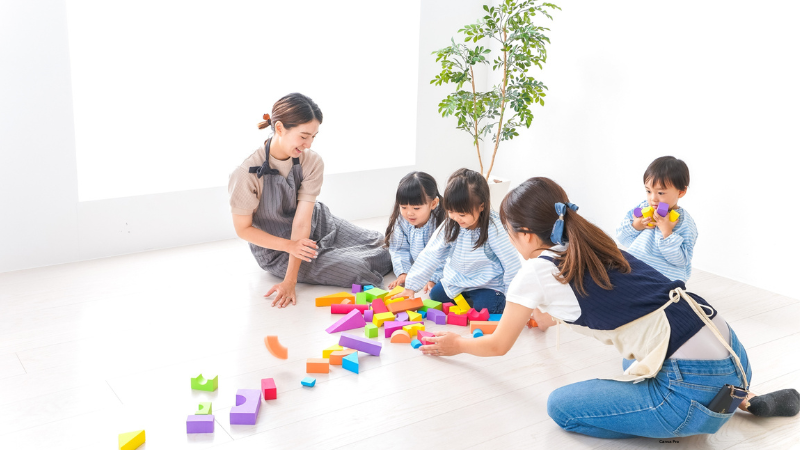
You can use this time to be involved by praising, copying their actions, and talking about what they are doing. Practicing these skills will make them a natural part of your day-to-day life, enhancing your child’s learning experience through both structured play and guided play.
Ideas for toys and activities during playtime
Choose toys or activities to spark your child’s imagination
Provide items like building blocks, art and crafts supplies, or simple drawing stuff to inspire creativity and innovation in your child. These special playtime activities encourage constructive play and creative play, including fantasy play. Skip electronic or automated options because they don’t help kids participate actively during playtime. Instead, consider educational games and educational activities that promote learning through play.
You may also read: Understanding Teen Development: Ages 11-17 and Beyond
Pick toys and activities to match your child’s age
Stick to items that are safe for how old your child is. For little ones, go for chunky blocks, toy cooking sets, or safety scissors to develop fine motor skills. Avoid toys with tiny removable parts if you’re playing with young kids. Consider incorporating sensory play activities appropriate for their age group.
Find toys and activities that suit your child’s skills
For smaller children, go with bigger blocks or construction toys as building materials. These are simpler for them to hold and use during play, supporting the development of gross motor skills. Building activities can also help develop spatial reasoning skills.
Have plenty of toys so you can join in and play together
Think about getting duplicate toys, like identical dolls or cars, to help your child with parallel play. This can make copying their actions simpler and more enjoyable, fostering communication skills and social development. Group play activities can also help develop teamwork skills and provide opportunities for conflict resolution.
You may also read: Type 2 diabetes in Kids: prevention and risk factors
Ideas for Quality Special Playtime
Play with your child for 5-10 minutes daily
Begin spending at least five minutes each day on special playtime. At first, keeping your focus while using techniques like praising, describing, copying what they do, and listening can feel tricky for some parents. Over time, as you get the hang of it, try increasing how long you play together. Even small positive moments such as reading time at night or watching their favorite shows can help build a stronger bond with your child and support their cognitive abilities and vocabulary expansion.
Keep your special playtime regular and steady
Set up a routine to spend special playtime with your child every day. Pick a moment when you can both give full attention to playing together without interruptions. Sticking to this daily schedule makes it more fun because your child knows to expect and look forward to it. Even on tough days, keep this time as a chance for your child to get kindness and encouragement, showing them you care no matter what. This consistency is crucial for early childhood development.
Let your child take the lead during play
Most of the time, kids listen to what adults tell them to do and don’t often get to make their own choices. Giving them time to run the show during play helps them feel more confident and learn to be independent. This unstructured play time or free play is crucial for their holistic development, allowing them to explore different types of play, including solo play and fantasy play.
You may also read: Children’s Self-Confidence: Building Inner Strength with Affirmations
Compliment the positive behaviors your child shows
Notice and point out when your child does something positive. Tell them what they did that made you happy, so they’ll know what to keep doing. Be clear about what you liked. Pair those words with simple physical gestures to show your approval, like giving them a hug, a high-five, or a pat on the back. This positive reinforcement supports their emotional development and can help build patience and persistence.
Copy your child’s actions
Join in and do what your child is doing during playtime. If they’re playing with a certain toy, pick up a similar one and play in the same way. This shows them you’re paying attention and encourages them to stick with those activities. It’s an excellent way to support pretend play and imaginative play, enhancing their creativity and innovation.
Talk about what your child is doing
Give a lively commentary about your child’s actions, just like a sports commentator calling a game. Talking about their moves in detail shows you’re involved and paying attention. This makes them feel important and understood while also supporting their language development and narrative skills. Use descriptive language to enhance their vocabulary expansion.
You may also read: Praising Your Child: Effective Ways to Encourage Good Behavior
Show excitement
Get excited when you play with your child. If you’re unsure how to show enthusiasm, think about how they react when they get a favorite new toy. Copy that kind of joy. When they see you’re having fun, it gets them more interested and makes the time better for both of you, enhancing the overall learning experience and promoting various types of play.
Repeat your child’s words and feelings
Say back what your child says and notice how they feel. Repeating their words and understanding their emotions shows you’re listening. This not only helps them feel heard but also teaches them to understand and talk about their feelings, improving their communication skills and supporting their emotional development.
Try to ask fewer questions during special playtime
Asking your child questions is pretty common during the day (“How was school?” “What’s your age?” “What are you doing?”), but it can disrupt the natural way they play. Constant questions let you guide the conversation and could show disinterest or criticism. For example, saying “Wouldn’t you rather use these blocks?” might make it seem like you don’t like what they’re doing, while “Why are you doing that?” could leave them thinking you find their actions wrong. Instead, focus on observing and supporting their independent play, allowing them to explore different types of play freely.
Keep instructions to a minimum during special playtime
Telling kids what to do, either like saying “Please pass me that toy” or more like “Why not try the red color,” directs their actions and takes away their ability to make choices. Giving instructions while they play stops them from leading how the play goes. If they listen to your directions, they lose the chance to decide on their own. If they don’t listen, it can lead to conflict instead. Special playtime should feel fun and enjoyable for both you and your child, promoting critical thinking and problem-solving skills. This approach allows for a balance between structured play and child-led activities.
Avoid criticizing during special playtime
Criticisms show disapproval of what your child does or chooses. They often use negative words like “No,” “Don’t,” “Stop,” “Quit,” or “Not.” For example, if your child calls a green crayon yellow, saying, “That’s not green. You’re using a yellow crayon,” is a type of criticism. Some criticisms are more direct, like saying, “That wasn’t very smart,” or “Your whining is awful.” Criticizing your child too often can lower their confidence and doesn’t help fix behavior issues. Even though words like “Stop,” “No,” and “Don’t” are sometimes needed each day, trying to avoid them during special playtime can help both you and your child focus on having more positive moments together and create valuable learning opportunities. This approach supports their emotional development and encourages creativity and innovation.
Avoid reacting to small misbehaviors during special playtime
Ignore small misbehaviors like whining when spending special playtime with your child. Step in if your child does something harmful or destructive, then follow with a response such as taking away privileges or redirecting their actions. To learn more about handling this, check out Using Discipline and Consequences. Giving attention, whether it’s positive or negative, increases that behavior. By giving less attention to misbehaviors, you make them less likely to happen again. This approach helps create a positive environment for sensory experiences and various forms of play, including physical and nature play, while also teaching important conflict-resolution skills.
Source:
U.S. Center for Disease Control and Prevention (August 8, 2024). https://www.cdc.gov/parenting-toddlers/communication/special-playtime.html
#special_playtime_activities_for_toddler_development, #benefits_of_child-led_playtime_for_early_learning, #how_to_encourage_creativity_during_special_playtime, #best_toys_for_child_development_and_playtime, #tips_for_spending_quality_playtime_with_your_child, #importance_of_unstructured_playtime_for_kids, #ways_to_build_strong_parent-child_bonds_through_play, #positive_reinforcement_techniques_during_playtime, #sensory_play_ideas_for_toddlers_and_preschoolers, #how_to_support_language_development_through_playtime, #encouraging_independent_play_in_young_children, #daily_playtime_routines_for_early_childhood_growth
