
Three-year-old defiance often reflects their developing self-regulation skills, where understanding rules clashes with impulse control, leading to boundary testing and emotional growth challenges.
Understanding and Managing Oppositional Behavior in 3-Year-Olds
Three-year-old defiance is marked by that sneaky grin, revealing the key difference from a 2-year-old’s oppositional behavior. You know, the sparkle in their eyes when they get the thrill of knowing what’s right but picking the wrong choice anyway. This is a crucial stage in child development, where testing boundaries becomes a significant part of their growth.
They feel an irresistible urge to push boundaries, wanting to explore their newfound sense of control. They start to notice how their actions stir big reactions from you, as if realizing for the first time just how much power they hold. This boundary testing is a normal part of their developmental milestones.
Does that sound familiar?
You’ve seen that smirk and that mischievous look. You remember back to when your 2-year-old first learned the word “no” and repeated it over and over, which now feels almost charming. But as children grow, their oppositional behavior evolves, presenting new challenges in emotional regulation.
But here’s the thing…
Three-year-olds seem to get it, but not all at once.
Three-year-olds show greater understanding and maturity than they did at two. Still, when your 3-year-old gives you that guilty look after doing something wrong, it’s not as planned out as it seems. This is where the concept of emotional intelligence becomes crucial to their development.
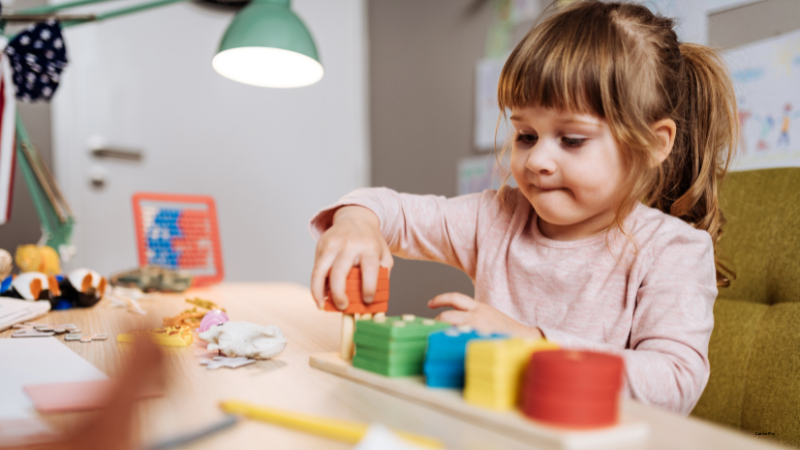
At this age, kids are still growing and developing their prefrontal cortex, the part of the brain responsible for executive function. Experts explain that their thought process might seem logical, but it is quite irrational. This is why they often struggle to regulate emotions and control impulses.
Jean Piaget described this period as the pre-operational stage. This stage occurs before they can think things through logically. It’s a phase of pre-logical thinking, where self-regulation skills are still in their infancy.
You may also read: Special Playtime: Boost Your Child’s Growth and Bonding Daily
Preschoolers love to explore ideas and think, but they struggle to adjust their thoughts or be flexible. This is partly due to their developing executive function, which affects their ability to manage emotions and behavior.
They can follow logical steps, but cannot apply that logic to situations consistently. This is why you might see frequent tantrums or meltdowns as they grapple with big emotions.
With a growing sense of self and an egocentric view of the world, three-year-olds are often set up for moments of oppositional behavior.
The Mind of a Three-Year-Old: A Gap Between Knowing and Acting
By the age of three, children have advanced from their two-year-old selves in understanding rules and concepts. Their brains start organizing the centers responsible for self-regulation, gearing up for rapid progress in emotional control.
This increasing awareness and knowledge make us expect a lot from them. Yet, their capacity to act on what they know is still not fully developed. They often understand more than they’re able to put into practice, leading to challenges in impulse control.
You may also read: Understanding Teen Development: Ages 11-17 and Beyond
One experiment highlights this well. Researchers often rely on the Dimensional Change Card Sort (DCCS), a task created by Dr. Philip Zelazo, to illustrate this very idea and assess executive function in young children.
This is how it works:
In this experiment, kids play a game called the “color game.” They get a set of cards with pictures of trucks and flowers, each in red or blue. At first, they get instructions to sort the cards by color.
The kids are told to put red cards in one pile and blue cards in another.
Most kids do this part without any trouble.
But then there’s a catch:
The researcher says, “Okay, now we’re playing the shape game. Trucks go here, and flowers go there.”
Give a three-year-old a red truck card while showing them a sorting container with a blue truck, and they stick to sorting by color, not shape. This demonstrates their struggle with cognitive flexibility, a key component of executive function.
They’ll put the red truck with the red flower, staying focused on color sorting.
The researcher tries again.
When asked, “Where should the trucks go?” the child points to the truck container.
Then the researcher asks, “Where do flowers go?” and the child points to the flower container.
Now, the researcher hands them a red flower card.
What do they do this time?
They place it next to the red truck!
The 3-year-old first learns the activity as a game about sorting colors and sticks to this method. Even though the child understands the rules have changed and can say where items should go, they still fail to sort them correctly. They keep sorting by color no matter what, showcasing the challenges in self-regulation skills at this age.
You may also read: Type 2 diabetes in Kids: prevention and risk factors
The same thing happens the other way around. If the task starts as sorting shapes first, they stick with sorting shapes even if asked to sort by color later.
No matter what rule is taught first, kids follow that rule even though they know it’s supposed to be different now. This illustrates the developing nature of their executive function and impulse control.
Psychologist Tueber called this a “dissociation between knowing and doing.”
When these kids come back to the lab at age 4, something surprising happens. They show they’ve nailed the task. They sort by color just fine and can switch to sorting by shape when the rules change. They now think about rules, process them, and switch between different sorting tasks efficiently enough. This big leap in brainpower happens as their prefrontal cortex continues to develop, and you notice it when doing specific tests.
Is It Defiance or Developing Self-Regulation?
At first glance, it looks a lot like defiance or oppositional behavior.
You see a child who knows the rule but keeps going against it anyway.
Even when you repeat the rule, they still don’t follow it.
But this isn’t just defiance — it’s a sign of a brain that’s still growing and learning emotional regulation. Their grasp of rules stays strict and divided into separate parts, reflecting their developing executive function.
A gap exists in the mind of a 3-year-old between knowing a rule and following it. It feels like their thoughts don’t connect, which is part of their ongoing journey in mastering self-regulation skills.
You may also read: Praising Your Child: Effective Ways to Encourage Good Behavior
A 3-year-old may understand a new rule and even say it out loud. At the same time, they still remember an old rule. But they cannot compare or process these sets of rules in a deeper way. So, their understanding of rules stays separated into different parts in their mind, leading to challenges in emotional control.
In real life outside the lab, kids often don’t deal with two conflicting rules. Instead, they deal with two opposing pulls — what they want and what you (or society) expect from them. This internal conflict often results in behavioral outbursts or acting out.
It’s key to realize that 3-year-olds are still learning the behaviors and rules that help them get along with others and fit in socially. This process is crucial for developing their emotional intelligence and self-management skills.
They know taking a toy from someone else is wrong. But they also want that toy. That need feels urgent and impossible to ignore. At the same time, they want to be good friends and act the way they’re supposed to. But at this age, their urge to have the toy outweighs everything else, showcasing their still-developing impulse control.
So, they grab it.
They might admit that grabbing wasn’t the “right” thing to do. They might even state the rule word for word. But their growing mind hasn’t quite figured out how to deal with two conflicting thoughts at once. This is where positive discipline and parent training can play a crucial role in guiding their behavior.
They know the rule but struggle to control their actions, a clear indication of the ongoing development of their self-regulation skills.
The Game-Changer for Oppositional Behavior: Help Your Child Think Through Their Actions
Studies showed that when kids were told what they did wrong and asked to point out their mistake, helping them actively think about their choices, even 3-year-olds started learning to follow new rules. This approach supports the development of their executive function and emotional regulation.
Here’s an example:
(After playing the color game for a while) “Alright, now let’s try the shape game. Trucks belong on the truck pile, and flowers go on the flower pile.” The child sorts the items by color instead.
The researcher says: “Nope, that’s not quite right. Where do the trucks belong (the child points)? You placed the truck on the flower pile. That’s okay. Let’s try it again.”
With repeated practice, gentle corrections, and adults offering helpful support during activities, kids can learn to change their actions and follow new rules more effectively. This process aids in developing their self-regulation skills and emotional control.
As parents, it’s our job to help kids build that bridge between knowing what to do and doing it, fostering their emotional intelligence and self-efficacy.
Four Steps to Build Mindful Reflection (and manage oppositional behavior too!)
1. Guide Your Child to Think About Mistakes
Telling kids what to do or making them repeat instructions isn’t enough. Long lectures also won’t help much. Instead, encourage them to think over their mistakes and learn from them in a caring and patient way. This approach supports the development of their emotional regulation skills.
Children are most likely to exhibit oppositional behavior around age 3, but this tends to fade as they grow older. Though this pushback is a normal part of growing up, some kids become more defiant with time. Studies show two main reasons why defiance either decreases or sticks around: supportive parenting habits and good self-regulation skills.
Using Reflection to Teach Regulation
Helping your child learn to reflect means guiding them to stop and think about what they do and learn from their errors. This process is crucial for developing their emotional intelligence and self-management skills.
This lays a foundation to build self-discipline and might lead to practicing mindfulness:
“You understand how to ask for a toy the right way. Instead of saying something, you took it and upset your friend. That was a mistake, but it’s okay. You can try again and ask the proper way. How do you think your friend felt when you took the toy?”
This approach not only addresses the behavior but also helps the child develop empathy and a better understanding of emotions, both their own and others’.
Correcting Behavior with Kindness and Understanding
Correcting mistakes in a caring way helps build reflection and self-regulation. This boosts essential abilities and creates a more well-behaved child who, even with occasional slip-ups, wants to and is able to make better choices. This method is a key component of positive discipline.
On the other hand, using harsh punishment often has the opposite effect. It tends to increase oppositional behavior and can lead to worse behavior in the future. It may also hinder the development of crucial self-regulation skills.
Using strict punishments when a 3-year-old struggles to behave does not teach reflection or emotional regulation. It instead gives harmful ideas about their value, ability to make choices, and how capable they are.
2. Support Your Child to Think About Their Feelings
A clear difference exists in the research mentioned earlier. The card sorting activity involves a “cool” cognitive task based on logic and reasoning. It does not depend on emotions or feelings, which would make it a task tied to “hot” emotions.
When strong “hot” emotions get involved, making that mental connection becomes much harder. This is why consistent self-regulation is seen in 4-year-olds. Even though their brains have grown a lot, they are still understanding the challenges of handling emotions and developing their emotional intelligence.
How did you feel when…?
When your child shows positive behavior, like being empathetic to others or sharing toys properly, guide them to think about their emotional experience. This helps in developing their emotional vocabulary and self-awareness.
Try saying something like, “I loved how you asked for a turn with the toy. How did that make you feel inside?” Or maybe, “I saw how you remembered Sarah likes high-fives, not hugs, and she gave you such a big smile. How did that feel for you?” Or even, “It was kind of you to be there for your friend when they were upset. Do you think what you said helped them feel better? How did that make you feel?”
It’s More Than Just Praise
These little moments help create feelings of pride and accomplishment. They can also bring that happy warm feeling you get when you handle something tricky in just the right way! This process contributes to building their emotional intelligence and self-efficacy.
This method has similarities with positive reinforcement, but it goes a step further.
It helps your child grasp the basic idea that doing good things leads to feeling good, an important aspect of emotional regulation.
This strategy builds their natural drive to keep peace and work well with others. Over time, this can lower oppositional behavior and boost skills to interact better with people.
Another useful idea is to use picture books to help kids think about feelings and behavior. This worked well with my son and still helps today even as he gets older. You can check out my list of positive behavior books by age group. These also include books to teach mindfulness, managing emotions, and making better choices.
Try to encourage practice and second chances—it’s all about learning from mistakes and developing self-regulation skills.
Copying the researcher’s method from the earlier game where they said “that’s okay, let’s try again,” we can use this idea in everyday life to help children develop their emotional control.
This method helps kids reflect on their actions and builds a growth mindset. It also gives them the important belief that they can change their behavior, fostering self-efficacy.
Time-out vs. Time-In: Which is Better? Here’s Why a “Feeling-Break” Might Work Best
Help them see what they did wrong, give them straightforward tips to do better, and show that you believe they can improve. This approach supports the development of their emotional regulation and self-management skills.
This is the tricky part about a three-year-old’s oppositional behavior. They understand but are still learning how to act when faced with challenges.
4. Build Independence by Offering Support and Tools
Three-year-olds often face conflicts for several reasons. They are still learning to regulate their emotions. They also feel a strong need to do things on their own. At the same time, it is hard for them to see things from someone else’s perspective. This combination often leads to self-focused actions and big emotions.
What frustrates them the most? Being told no when they want something. Parents become the main barrier:
- They enjoy playing, but we tell them it’s time to leave.
- They love getting messy, but we demand they stay clean.
- They want to climb, but we say to use the slide instead.
- They fight bedtime, but we say it’s time to sleep.
- They are glued to their show, but we declare TV time over.
How do we keep needed boundaries without clashing with goals, while also staying on top of hygiene, cutting down screen time, and getting good rest?
Why Shifting How We Think Matters
Pick priorities and use tools that help remove you from being the enforcer to adjust how others see the situation. This approach can help reduce power struggles and support the development of self-regulation skills.
This might sound too simple to work, but it works well. Try this—use a clock that changes colors to help with bedtime. Explain to your kid, “The clock turns blue as the signal for bedtime! We have a little time to finish getting ready before it changes!”
This hands the control from you over to the clock. It turns bedtime into a team effort between you and your child, both working against the clock. A small change like this can shift bedtime from a battle into a moment of working together, supporting their developing self-management skills.
Source:
Ashley Soderlund. Toddler Defiance and the Brain: They Know Better, But Can They Do Better? (yes, but they need help). Nature Thrive. https://nurtureandthriveblog.com/toddler-defiance/
#how_to_handle_three-year-old_defiance_effectively, #managing_oppositional_behavior_in_three-year-olds, #tips_for_dealing_with_defiant_three-year-old_toddlers, #understanding_three-year-old_tantrums_and_defiance, #emotional_regulation_strategies_for_three-year-old_children, #positive_discipline_techniques_for_three-year-old_defiance, #why_is_my_three-year-old_so_defiant_and_how_to_help, #helping_three-year-olds_develop_self-control_and_emotional_intelligence, #best_ways_to_reduce_oppositional_behavior_in_toddlers, #how_to_teach_three-year-olds_to_follow_rules_and_listen
